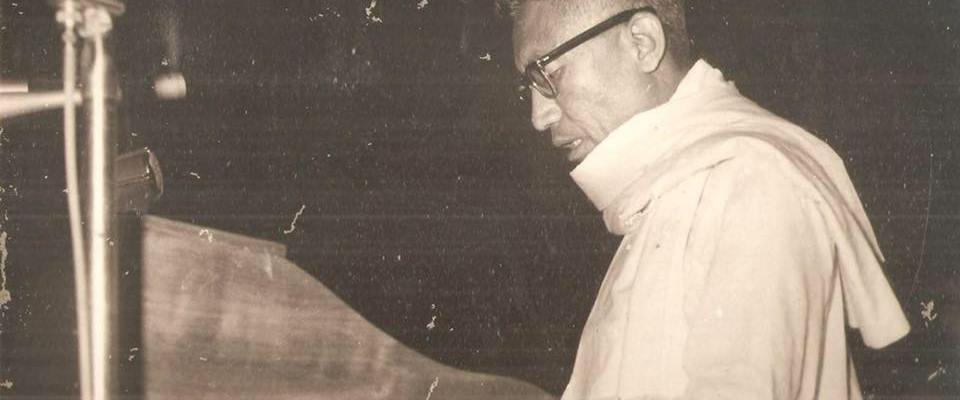
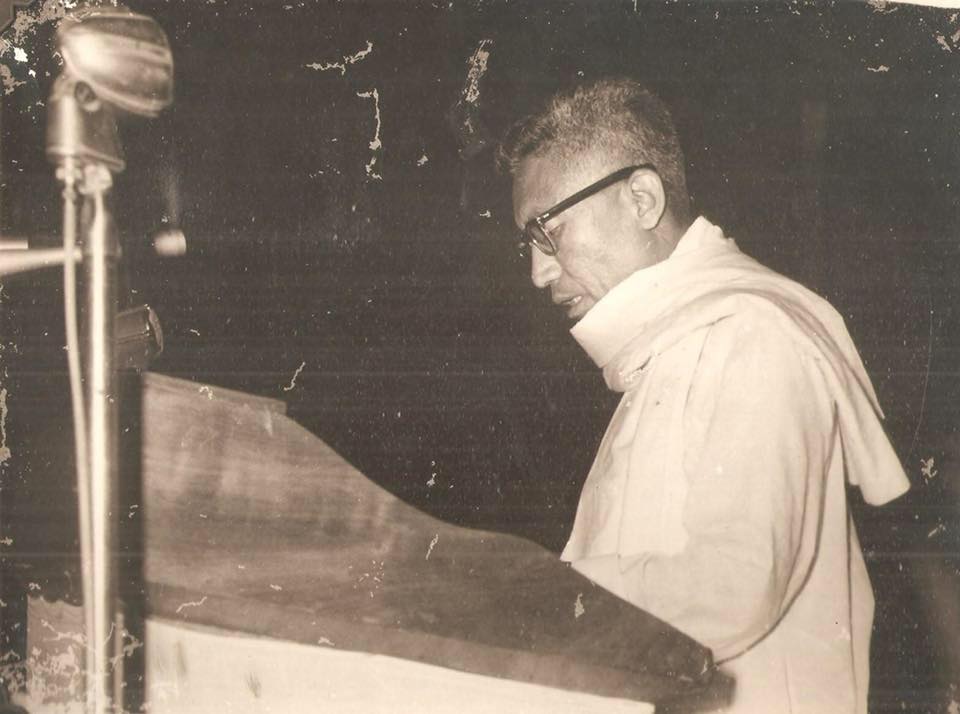
| Name | Hijam Guno Singh (26th June 1926 – 20th Feb 2015) |
| Education | Graduation from Guwahati University Legal Practitioner’s examination from Calcutta High Court |
| Bio | Novelist. Short story writer. Administrative Officer in the civil court. OSD in the office of Yangmasho Shaiza, Chief Minister of Manipur. Personal Secretary RK Joychandra, Chief Minister of Manipur. |
| Published work | Laman (1958)(Available as Audiobook) Khudol (1964) Aroiba Paodam (1965) Eikhoi Tada (1966) Fijang Maru Bir Tikendrajit road (1983) Phijang marummda, short stories (1969) Langjin Mangkhraba kishi Changkhonba sahitya Hiyang Atouba Tonu Laijinglembi Sheitharol (poetry) Khadanggee Shambru Translated “The history of Bangla literature” into manipuri “Bangla Sahityagee Itihas” |
| Awards and Recognition | Jamini Sundar Guha Gold Medal (1965) Sahitya Academy Award for translation (1985) Dr Ambedkar fellowship |
Hijam Guno Singh, born on June 26, 1920, is widely recognized as a significant contributor to Manipuri literature through his work as a novelist and short story writer. Beyond his literary achievements, he also played notable roles in Manipur’s administrative and political spheres, showcasing his multifaceted influence.
Hijam Guno Singh graduated from Guwahati University and later passed the Legal Practitioner’s examination from Calcutta High Court. This legal background likely shaped his perspective, adding depth to the themes and characters in his literary works.
Hijam Guno Singh is best known for his novels and short stories, which have left a lasting mark on Manipuri literature. His writing often explores complex human emotions and societal issues, delving into the darker aspects of individual experiences. Some of his notable works include:
- Laman (1958): A cornerstone novel in Manipuri literature, celebrated for its narrative depth and cultural significance.
- Khudol (1964): Another key work showcasing his storytelling prowess.
- Aroiba Paodam (1965): A novel reflecting his ability to address intricate human and social themes.
- Eikhoi Tada (1966): Further evidence of his consistent contribution to Manipuri prose.
These works highlight his skill in crafting relatable and thought-provoking stories that resonate with readers and reflect Manipuri society.
In addition to his literary career, Hijam Guno Singh held significant administrative positions in Manipur:
- He served as an Administrative Officer in the civil court.
- He worked as the Officer on Special Duty (OSD) in the office of Yangmasho Shaiza, a former Chief Minister of Manipur.
- Later, he became the Personal Secretary to RK Joychandra, another Chief Minister of Manipur.
His involvement in these roles underscores his influence beyond literature, connecting him to the political and governance landscape of Manipur.
Manipuri literature has a rich history, with origins tracing back to the 10th century A.D., initially dominated by folk and religious poetry. However, it faced a major setback in 1729 during the reign of Meidingu Pamheiba, when ancient scriptures were burned, marking a shift in its development. The modern era of Manipuri literature emerged in the 20th century, driven by pioneering writers such as Khwairakpam Chaoba Singh, Lamabam Kamal Singh, and Hijam Anganghal Singh.
Hijam Guno Singh is a vital part of this modern resurgence. Alongside his contemporaries, he helped revitalize Manipuri literature, contributing to its growth as a medium for exploring cultural identity and human experiences. His works stand out for their emotional depth and social relevance, cementing his legacy as a prominent literary figure.
Library of Manipur is on a mission to create, preserve, promote and giving easy access to audio/video contents of Manipuri books and people of Manipur for generations to come.
Categories: People Of Manipur
 Library Of Manipur
Hijam Guno’s date of birth is 29th June 1926 not 26th June 1920 please correct it
LikeLike